
Chris Isaak
The Stockton valedictorian who made reverb sound like heartbreak
Chris Isaak combined rockabilly twang with a wide vocal range, and David Lynch's films helped carry his music into a wider world.

Chris Isaak grew up in Stockton, California, where he was class president and valedictorian at Amos Alonzo Stagg High School in 1974. He attended San Joaquin Delta Community College, then the University of the Pacific, graduating in 1981 with a degree in English and communication arts. A Japanese exchange programme was part of his studies. It is not the usual background of a rockabilly revivalist.
After college he formed Silvertone, named after the 1950s guitar brand, with guitarist James Calvin Wilsey, and the band stayed with him as his permanent group. In 1985 he signed with Warner Bros. and released the album Silvertone, which won critical praise, including from John Fogerty, though it did not sell well. Two tracks, "Gone Ridin'" and "Livin' for Your Lover", were used in David Lynch's 1986 film Blue Velvet.
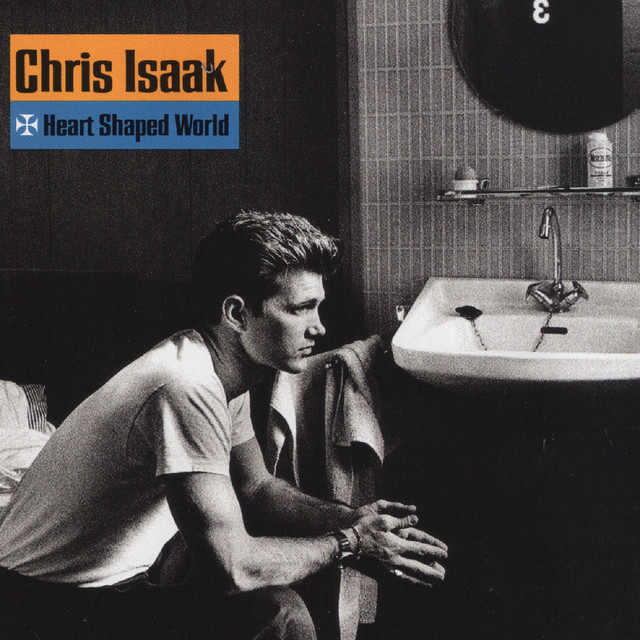
The self-titled 1987 album sharpened his style toward sophisticated R&B and included "Blue Hotel", and in 1988 "Suspicion of Love" appeared in the film Married to the Mob. His best-known song, “Wicked Game”, took several years to put together, according to an engineer who worked on it. It first appeared on the 1989 album Heart Shaped World, and an instrumental version featured in a 1990 Lynch film.
His sound and image are often compared to Roy Orbison, Elvis Presley, Ricky Nelson and Duane Eddy. Over four decades he has released thirteen studio albums and toured widely. His connection with Lynch also took him to the screen, with a role in Twin Peaks: Fire Walk with Me and supporting parts in films including The Silence of the Lambs and That Thing You Do!. He later fronted his own sitcom and talk show. The music, though, stays moody and spare.
On Coast Ibiza
Songs by Chris Isaak in the Coast Ibiza playlist:
- Wicked Game1989
This story is based on the Wikipedia article “Chris Isaak” and is shared under the Creative Commons Attribution-ShareAlike 4.0 licence. Read the Wikipedia article.